Rubbish collection access issues on Greenwich narrow streets
Posted on 01/08/2026
Greenwich has plenty of charm, but some of its narrow streets can turn a simple rubbish collection into a bit of a headache. If you have ever watched a van inch along a tight lane, paused by parked cars, then reverse again because there is nowhere safe to stop, you already know the problem. Rubbish collection access issues on Greenwich narrow streets are not just inconvenient; they can affect timing, costs, safety, neighbour relations, and even whether your waste is collected at all.
This guide breaks down what actually causes access problems, how collections are typically handled in tighter streets, and what you can do to make the whole process smoother. It also covers practical planning, common mistakes, compliance basics, and the kind of small adjustments that make a big difference on the day. Truth be told, a little prep goes a long way here.
Contents
- Why access issues on narrow Greenwich streets matter
- How rubbish collection works on tight streets
- Key benefits and practical advantages
- Who this is for and when it makes sense
- Step-by-step guidance
- Expert tips for better results
- Common mistakes to avoid
- Tools, resources and recommendations
- Law, compliance, standards and best practice
- Options, methods and comparison table
- Case study or real-world example
- Practical checklist
- Conclusion
- Frequently asked questions
Why Rubbish collection access issues on Greenwich narrow streets Matters
Access problems on narrow streets are easy to underestimate until collection day arrives and the crew cannot get close enough to the property. In Greenwich, that matters because many roads and side streets were not designed around modern vehicles, shared access, or bulky waste pickups. Parked cars, tight turning circles, loading restrictions, and occasional one-way layouts can all make a straightforward job awkward.
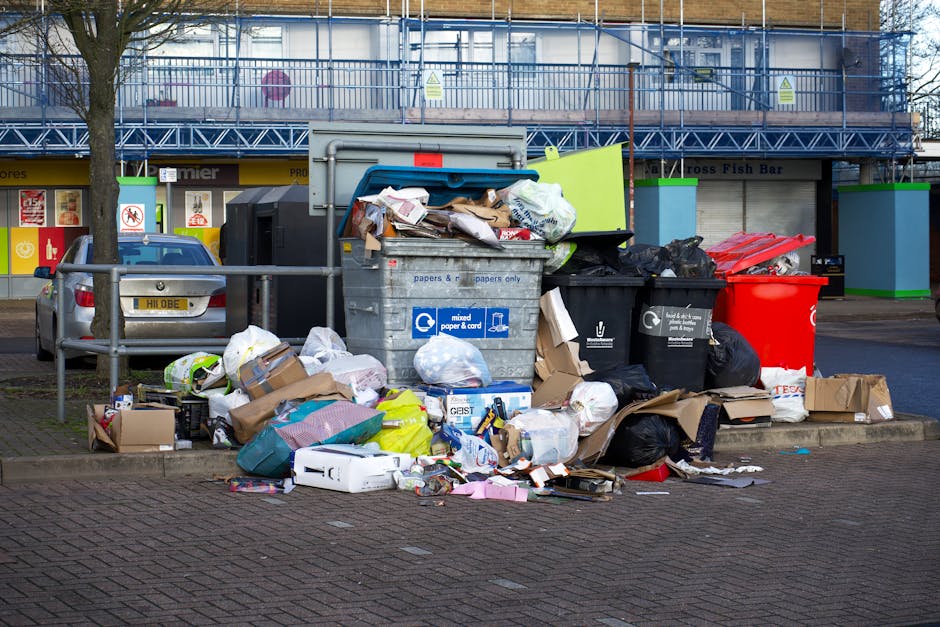
When access is poor, the knock-on effects are real. Waste may need to be carried further, collection time can increase, and the crew may need to split loads, use smaller vehicles, or wait for a safer window. If there is a missed appointment, the waste sits outside longer, which is never ideal. It can look untidy, attract complaints, and in some cases create a trip hazard for pedestrians or neighbours.
It also affects planning. A collection that would be simple on a wide road can require more thought on a narrow Greenwich street. That may include choosing the right vehicle size, staggering bin or sack placement, or booking a time when the street is quieter. If you are arranging a move, a house clearance, or even a one-off furniture disposal, those details are the difference between calm and chaos.
For local context and everyday living considerations, it can help to read practical Greenwich living tips and a local guide to Greenwich's character. They are not waste guides, but they do remind you how much the area's layout and pace shape everyday life.
How Rubbish collection access issues on Greenwich narrow streets Works
Most collection teams assess access in simple, practical terms: can the vehicle reach the property safely, can waste be loaded without blocking traffic, and can the crew work without creating unnecessary risk? On narrow streets, the answer is often "partly" rather than "fully," so the collection approach changes.
In practice, there are a few common models:
- Kerbside collection where bags, boxes, or items are placed as close to the road as possible.
- Man and van loading where items are carried from the property to a nearby parked vehicle.
- Remote parking plus handballing where the van must stop further away and waste is moved manually.
- Timed access windows where collections are arranged for quieter periods to reduce obstruction.
Not every narrow street works the same way. A street that is tight but quiet may be manageable early in the morning, while a busy stretch near shops, schools, or tourist footfall can be a mess by mid-morning. That is why a collection plan should be based on the actual street conditions, not just the postcode.
If you need a broader overview of what a provider can handle, the services overview is a useful place to understand the range of collection and disposal options. For home clear-outs, house clearance in Greenwich is often the most relevant format, while trades and refurb jobs may fit builders waste disposal better.
A small but important point: access issues are not always about vehicle width. Sometimes the real problem is low-hanging branches, parked delivery vans, building works, temporary roadworks, or a bin day that clashes with collection timing. The street looks fine from a distance. Then you arrive. And, well, the whole thing looks very different.
Key Benefits and Practical Advantages
Planning for narrow-street access is not just about avoiding problems. Done well, it can save time, reduce stress, and improve the quality of the service you receive.
- Fewer delays: the crew knows in advance what they are dealing with.
- Safer loading: fewer rushed lifts, fewer awkward manoeuvres, lower risk of accidental damage.
- Cleaner streets: waste is removed before it becomes a nuisance or an eyesore.
- Better cost control: less risk of failed access charges or repeat visits.
- More predictable scheduling: especially useful for businesses, landlords, and movers working to a deadline.
There is also a quieter benefit: good planning helps neighbours. Nobody enjoys a van blocking the pavement while everyone edges past with a buggy or shopping bags. When access is handled properly, the collection feels almost invisible. That is the sweet spot, really.
If you are comparing disposal options for bulky items, you may also want to look at furniture removal in Greenwich and white goods and appliance disposal. Those services often depend heavily on access, stairs, door widths, and parking proximity.
Who This Is For and When It Makes Sense
This topic matters to more people than you might think. It is not only for people living on tiny side streets. Access challenges show up anywhere parking is tight or the street layout is awkward.
- Homeowners and tenants with bulky waste, old furniture, or loft clear-outs.
- Landlords and letting agents dealing with end-of-tenancy rubbish.
- Builders and tradespeople who need waste removed from renovation or repair jobs.
- Small businesses clearing packaging, office waste, or old stock.
- Market traders and hospitality venues managing waste around busy or restricted streets.
It makes sense whenever your property is hard to reach, the road is narrow, or you simply do not want to gamble on collection day. If there is any doubt, plan as though the vehicle will need to stop further away than expected. That mindset saves a lot of last-minute stress.
For business readers, commercial waste removal in Greenwich and office clearance are often the right starting points. If your project is more local and residential, domestic waste collection is usually the more relevant route.
Step-by-Step Guidance
If you want the cleanest possible collection experience on a narrow Greenwich street, follow a simple process. It does not need to be complicated.
- Check the street conditions. Look at parking, width, turning space, and any time-based restrictions. If you can, observe the street at the time of day the collection is likely to happen.
- List the items to be removed. Separate loose bags, bulky items, white goods, garden waste, and building materials. Different waste types may need different handling.
- Measure the awkward bits. Stairwells, alleyways, front gates, and lift access can matter just as much as the road outside.
- Choose a realistic collection window. Early morning or quieter periods often work better on tight streets.
- Prepare a clear loading point. Keep waste together and make sure the route from the property to the vehicle is as direct as possible.
- Protect neighbouring access. Avoid blocking shared entrances, front doors, or narrow pavements.
- Confirm the plan before collection day. A brief check-in can prevent small misunderstandings from becoming larger ones.
If you are booking a bigger clear-out, this is where service choice matters. A simple sack collection may be fine for light domestic waste, but loft clearance, furniture disposal, or garden waste removal may need a more tailored plan. Narrow streets reward specificity. Vague plans get punished fast.
Expert Tips for Better Results
Here is the part that usually saves people time. The little things. The stuff people forget because they seem too obvious, until they are not.
- Use lighter, more manageable loads. Several smaller sacks are often easier to move than one overfilled one.
- Leave a little buffer space. Access looks wider on paper than it feels with a vehicle and crew in place.
- Avoid peak parking pressure. School runs, commuter hours, and weekend footfall can all make a street unworkable.
- Keep front pathways clear. Don't make the crew dodge plant pots, bikes, or delivery crates.
- Share clear instructions. A few plain notes about gates, call bells, basement steps, or one-way access can prevent confusion.
- Photograph the access point if needed. This is especially useful for awkward mews-style streets or tightly packed terraces.
One practical tip that people often overlook: if parking is usually scarce, ask yourself where the vehicle would stop if the nearest space is taken. If the answer is "somewhere inconvenient," then plan around that now rather than later.
For projects where timing matters, same-day rubbish removal delays in Greenwich is a useful related read. It speaks to the reality that even a well-run collection can be slowed by access, traffic, or loading constraints. Also, if you want to avoid awkward surprises, how to avoid hidden rubbish removal charges in Greenwich is worth your time.

Common Mistakes to Avoid
Most problems on narrow streets come from a few predictable mistakes. The good news? They are easy to sidestep once you know them.
- Assuming the van can park right outside. Often it cannot.
- Underestimating lifting distance. Ten extra metres sounds minor until you are carrying a sofa through a tight lane.
- Leaving waste scattered. Loose items slow everything down and increase the chance of something being missed.
- Ignoring access at both ends. The issue may be the exit route, not the entrance.
- Booking the wrong type of service. A household clearance and a builders waste job are not interchangeable.
- Forgetting about neighbours and shared spaces. Complaints can escalate quickly if pathways or entrances are blocked.
Another mistake is not being honest about access. If the street is difficult, say so. If the only parking is around the corner, say that too. It feels small, but it prevents unrealistic expectations. And frankly, everyone has a better day when the job matches reality.
Tools, Resources and Recommendations
You do not need fancy equipment to manage access issues well. In most cases, a few simple tools and habits make the job much smoother.
- Measuring tape: useful for gates, doorways, and tight hallways.
- Phone camera: helpful for sharing access photos before collection day.
- Sticky notes or a written summary: good for reminding household members what stays clear.
- Bin bags, boxes, and labelled piles: make waste easier to sort and carry.
- Basic route check: walk the path from the property to the nearest safe loading point.
For sustainability-minded planning, recycling and sustainability is useful background. On cramped streets, the temptation is to just get everything gone as quickly as possible. Fair enough. But if items can be separated for reuse or recycling before collection day, the job often becomes faster and cleaner.
If you want to understand the company side of things, about us, waste carrier licence and compliance, insurance and safety, and terms and conditions are all sensible trust-building pages to review before booking any collection service.
Law, Compliance, Standards and Best Practice
When rubbish collection takes place on narrow streets, compliance and safety matter just as much as speed. The details can vary depending on the property, the street, and the type of waste, but the general principle is straightforward: waste should be handled safely, legally, and without creating avoidable obstruction.
In UK practice, reputable waste collectors are expected to operate responsibly, use appropriate vehicles and carry valid waste carrier registration where required, and dispose of waste at authorised facilities. For customers, the practical takeaway is simple: do not hand waste to anyone whose credentials, paperwork, or disposal route seem unclear. If a collection feels too casual, that is usually a red flag.
There are also everyday standards that matter on narrow roads:
- do not block emergency access
- do not create unsafe loads on pavements
- do not leave rubbish where it becomes a trip or fire risk
- do not assume neighbouring properties are fine with temporary obstruction
- do not ignore local parking or access restrictions
For more background on how the service is structured, services overview and waste disposal in Greenwich help frame what to expect from a compliant provider. The basic rule of thumb? Good operators ask sensible questions before the job, not after they arrive and realise the street is a squeeze.
Options, Methods and Comparison Table
Choosing the right collection method is often the difference between a smooth job and a messy one. The best option depends on the waste type, the size of the load, and how tight the access really is.
| Method | Best for | Pros | Limitations |
|---|---|---|---|
| Kerbside pickup | Light bags and easy-to-move items | Fast, simple, often cheaper | Needs clear street access and parking nearby |
| Man and van collection | Bulky household waste, furniture, mixed items | Flexible on narrow streets, handles carrying for you | May take longer if parking is far away |
| Targeted bulky-item removal | Sofas, appliances, single heavy items | Efficient for one-off items | Not ideal for large mixed clearances |
| Full clearance service | House clearances, offices, lofts, larger jobs | Most comprehensive, less work for you | Needs better planning and access information |
If your access is truly tight, a more flexible method often wins. If the load is small and the street is quiet, kerbside or near-kerb loading may be perfectly fine. There is no prize for choosing the biggest service. The best fit is the one that actually works in your street, not the one that sounds impressive.
Case Study or Real-World Example
Imagine a two-storey terrace on a narrow Greenwich street with parked cars on both sides and a modest front path. The resident needs a mix of bagged waste, a broken chest of drawers, and a washing machine removed after a kitchen refresh. On paper, it is a small job. In reality, the van cannot park directly outside for long, and the crew has to work around passing traffic.
What makes it manageable is not luck. It is planning.
The resident sends a quick photo of the front access, confirms where the nearest stopping point is likely to be, and separates the washing machine from the lighter items. The bags are placed together inside the gate rather than scattered on the pavement. The collection is scheduled for an earlier slot, before the street fills up. The result: no awkward negotiation at the kerb, no last-minute reshuffle, and no need for a second visit.
That kind of outcome is common when access details are shared early. There may still be the odd pause, a door held open, or a wait for a passing cyclist. That is just life in a busy London area. But the job gets done without drama. And that is what most people want.
Practical Checklist
Use this checklist before collection day. It is simple, but it catches most of the avoidable issues.
- Have I checked whether the street is narrow, busy, or restricted at the collection time?
- Do I know where a vehicle can safely stop?
- Have I measured gates, doorways, stairs, or basement routes if relevant?
- Are all waste items grouped neatly and separated by type where needed?
- Have I removed obstacles from the path to the loading point?
- Have I warned household members, tenants, or neighbours if access will be temporarily affected?
- Have I shared any awkward access details with the collection provider?
- Is the service type correct for the amount and kind of waste?
- Do I understand any timing or parking limits that may affect the visit?
- Have I kept a backup plan in case the nearest space is taken?
If you can tick most of those boxes, you are in good shape. If not, there is still time to tidy things up. A ten-minute reset can save an hour later.
Get a free quote today and see how much you can save.
Conclusion
Rubbish collection access issues on Greenwich narrow streets are a real part of local life, but they do not have to become a crisis. The key is to treat access as part of the service, not an afterthought. Once you do that, everything becomes easier: planning, scheduling, loading, pricing, and keeping the street calm for everyone else.
Whether you are clearing a flat, managing a renovation, or just getting rid of bulky items that have outstayed their welcome, the smartest move is usually the simplest one: prepare the access, be clear about the street, and choose a collection method that fits the space. Little things matter here. Very much so.
And if you are in Greenwich dealing with a tight road and a deadline, don't panic. Narrow streets can be awkward, yes, but with the right approach they are absolutely workable. One careful plan, one tidy loading point, one clear conversation. That's often all it takes.


 Tipper Van - Waste Disposal and Junk Clearance Prices in Greenwich, SE10
 Luton Van - Waste Disposal and Junk Clearance Prices in Greenwich, SE10