Greenwich Market rubbish removal for traders
Posted on 15/06/2026
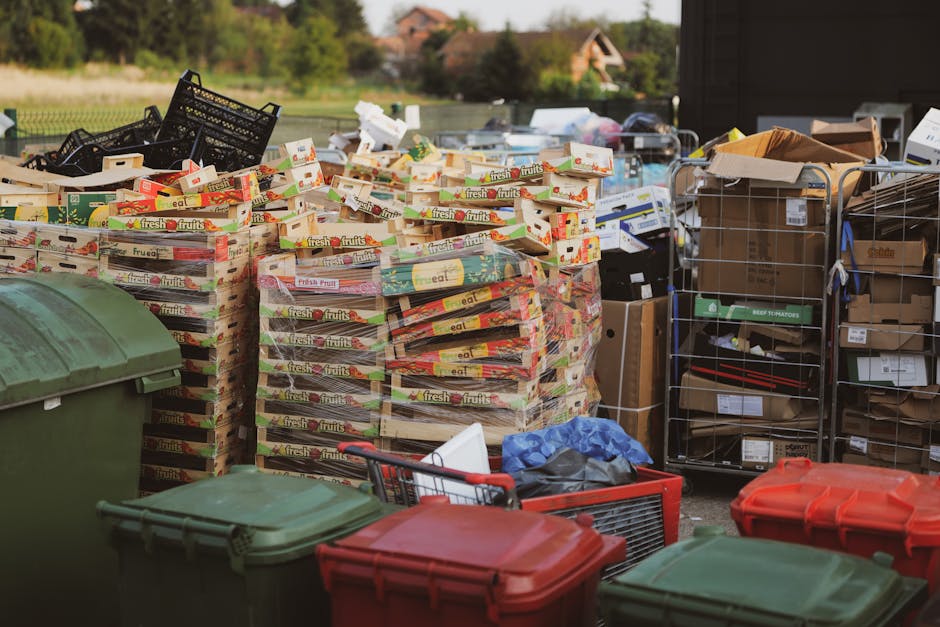
Greenwich Market Rubbish Removal for Traders: A Practical Guide to Cleaner Stalls, Faster Turnarounds, and Less Stress
If you trade at Greenwich Market, you already know the rhythm: early set-up, steady footfall, a quick lunch if you are lucky, then the final push before pack-down. In between all that, waste builds up fast. Cardboard, food packaging, damaged stock, broken display bits, wrap, pallets, offcuts, and the odd thing that should never have made it onto the pitch in the first place. Greenwich Market rubbish removal for traders is not just a tidy-up job. It is part of keeping your stall workable, safe, and presentable from opening to close.
This guide breaks down how market waste removal works in real life, what traders should plan for, where the common mistakes happen, and how to make the process smoother without adding extra faff. If you want a stall that looks sharp and resets quickly, you are in the right place.
Why Greenwich Market rubbish removal for traders Matters
Market trading is all about first impressions. At Greenwich Market, customers are often walking slowly, looking around, comparing stalls, and deciding where to stop. A cluttered pitch can make even a brilliant product feel less inviting. Waste left visible around the stall can also create pinch points for customers and staff, which is awkward at best and a real hazard at worst.
There is also the practical side. In a busy market setting, rubbish tends to pile up in waves rather than evenly through the day. A few flattened boxes become a stack. Food waste starts to smell. Packaging gets blown around. A single bin bag can turn into a small mess before you have had time to blink. That is why traders benefit from a waste plan, not just a bin.
To be fair, a tidy stall also helps traders work faster. Less mess means less time hunting for stock, less chance of damage, and less stress when it is time to pack down. It sounds simple, but in a market environment, simple is gold.
Expert summary: Good market waste removal is not about over-managing every scrap. It is about creating a clean reset point so your stall can keep selling, stay safe, and end the day without the sort of last-minute scramble everyone hates.
For traders who also operate from nearby premises or storage units, market waste can overlap with wider business waste needs. In those cases, it can help to understand the broader picture through commercial waste removal in Greenwich and the wider services overview.
How Greenwich Market rubbish removal for traders Works
In practice, waste removal for traders is usually a mix of on-stall control and off-stall collection. The best setup depends on what you sell, how much space you have, and how often waste is generated. A food trader will have different needs from a vintage seller or a maker working with packaging and display materials.
A typical flow looks like this:
- Waste is separated at source. Cardboard, food-related waste, shrink wrap, broken display materials, and general rubbish are kept apart where possible.
- Small amounts are contained during trading hours. This may mean lined bins, labelled tubs, or foldable sacks tucked out of customer sight.
- Waste is moved to a designated collection point. Traders usually avoid leaving bags in customer routes or emergency access spaces. Sensible, really.
- Collection happens before or after trading. Depending on the arrangement, waste may be taken away at the end of the day, between trading periods, or during a planned clearance slot.
- Recyclables and reusable materials are sorted. Good operators will aim to divert cleaner materials from general waste wherever possible.
Some traders use a simple end-of-day carry-out approach. Others need regular collections because their stall generates more volume or more odour. Food stalls, drink vendors, and traders using heavy packaging often need a tighter routine. If you are dealing with bulky stock packaging or occasional broken fittings, it may overlap with rubbish collection in Greenwich or even builders waste disposal in Greenwich if you are refurbishing a stall.
A useful mindset is this: treat waste as part of the trading operation, not a separate chore left for later. Later is where small problems become big ones.
Key Benefits and Practical Advantages
There is more to this than keeping the pitch neat. The right market rubbish removal routine has a direct effect on how smoothly the day runs.
- Cleaner presentation: Customers notice tidy stalls. They may not say it out loud, but they absolutely feel it.
- Better workflow: Staff spend less time stepping around bags or clearing clutter mid-service.
- Reduced odour and pest risk: This matters especially for food-related traders and warm-weather trading days.
- Safer walkways: Fewer trip hazards, fewer loose boxes, fewer awkward corners.
- Faster pack-down: When waste is controlled throughout the day, closing up is much quicker.
- Better recycling outcomes: Clean cardboard and other recoverable materials are easier to separate.
- Less end-of-day fatigue: A decent system saves energy. Small thing, big difference.
It also helps with consistency. Traders who operate across multiple days need a repeatable routine. If waste handling changes every week, people forget things. Bags get left behind. Boxes get stored in the wrong place. Before long, the stall looks more like a storage cupboard than a trading space.
Greenwich Market has its own pace and character, and if you trade there regularly, you know the importance of staying calm under pressure. A waste system that simply works is one less thing to think about, which in a busy market is a luxury of sorts.
Who This Is For and When It Makes Sense
Greenwich Market rubbish removal for traders is relevant to a lot more people than you might first think. It is not just for stalls that produce visible mess. Plenty of traders need it because waste is hidden in packaging, stock transitions, or back-of-stall storage.
This guide is especially useful if you are:
- a food or drink trader producing packaging, food scraps, or disposable serving items;
- a vintage, craft, or artisan seller dealing with bubble wrap, boxes, and damaged display stock;
- a seasonal trader who sets up and breaks down quickly each day;
- a trader sharing storage or a back-of-house area with limited space;
- someone refurbishing a stall and clearing old fixtures or packaging;
- a small business owner who wants less clutter and a more professional pitch;
- a market trader who needs periodic rather than daily clearances.
It makes sense when the waste is more than can be handled comfortably in ordinary bins, or when staff are spending too much time managing rubbish instead of serving customers. That is usually the tipping point. You feel it before you name it.
If your work involves moving stock, changing displays, or clearing old stall furniture, you may also find furniture removal in Greenwich and furniture disposal in Greenwich useful alongside routine market waste handling.
Step-by-Step Guidance
If you are setting up a better waste routine for your stall, keep it simple. Fancy systems tend to fail under pressure. A plain, repeatable process usually wins.
1. Identify what waste you actually create
Start by watching one full trading day. What builds up fastest? Cardboard? Food packaging? Paper bags? Broken items? Tea cups, wipes, and random end-of-day bits? Write it down. You do not need a complicated audit. Just an honest one.
2. Separate waste types as early as possible
Put different waste streams into different containers if you can. Clean cardboard is easier to manage than mixed rubbish. Recyclable materials stay more useful if they are not contaminated with food or liquid. A little discipline here saves a lot of grief later.
3. Choose collection timing around trading hours
Think about when bags can be moved without disrupting customers. For some traders, that is just after closing. For others, a mid-session swap-out works better. The best timing is the one that keeps the pitch clean without making staff rush.
4. Keep waste out of customer paths
This sounds obvious, but in a busy market, obvious things get forgotten. Use a discreet corner, rear holding point, or approved collection location. Bags left in walkways make the stall feel cramped and create avoidable hazards.
5. Arrange collection or disposal in advance
Do not wait until the bins overflow. By then, you are already behind. Plan a routine, know who is responsible, and keep a spare set of liners or sacks nearby. If you use a professional service, make sure collections match your busiest days rather than your quiet ones.
6. Review the system after a few trade days
What worked on paper may be annoying in practice. Maybe one bin is too small. Maybe the collection time clashes with peak footfall. Maybe the bag type splits too easily. Small adjustments matter. A lot.
For traders whose waste includes mixed commercial rubbish, the broader guidance on waste disposal in Greenwich can help you think more strategically about what should be reused, recycled, or removed altogether.
Expert Tips for Better Results
Here is where the day-to-day experience matters. The difference between a workable waste system and a frustrating one often comes down to tiny details.
- Use clear liner colours: If staff know what goes where at a glance, mistakes drop quickly.
- Flatten cardboard immediately: It takes seconds. If you wait, it becomes a leaning tower with opinions.
- Keep a small "overflow" plan: Have a spare sack or tote ready for unexpectedly busy days.
- Store cleaners and waste supplies together: Gloves, bin liners, wipes, and tape should live in one place.
- Protect reusable packaging: If you can reuse boxes or containers, keep them separate and dry.
- Think about smell early: Food waste, wet packaging, and warm weather are not a lovely combination.
- Label the collection point: Especially useful if more than one person works the stall.
One trader I spoke with described their old system as "mystery rubbish roulette", which, fair enough, is a memorable way to put it. Once they started separating packaging from general waste and closing the bags properly at midday, the stall felt calmer and cleaner almost immediately.
Another simple win: keep your waste setup close to your pack-down routine. If rubbish is miles away from where you close the stall, people will cut corners. Humans do that. We all do, to some extent.
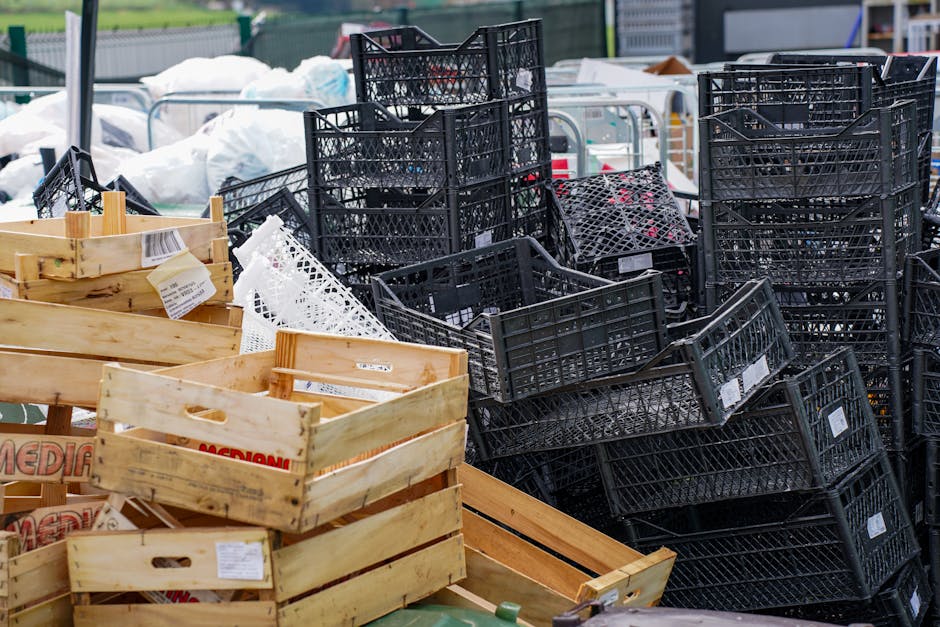
Common Mistakes to Avoid
Most waste problems at market stalls are not dramatic. They are small habits that snowball. The good news is that they are easy to correct once you spot them.
- Waiting too long to clear waste: A single busy lunch period can fill bags quicker than expected.
- Mixing clean recyclables with food waste: That makes recycling harder, and sometimes impossible.
- Using flimsy bags or broken containers: One split bag can create a mess that takes ages to sort out.
- Leaving waste in public routes: This is poor practice and can become a safety issue.
- Assuming "someone else will sort it": In a market, ambiguity is usually the enemy.
- Ignoring cleaning at pack-down: The last 10 minutes matter more than people think.
Another mistake is overcomplicating the system. A stall does not need five bins, three charts, and a colour-coded spreadsheet unless the trading model genuinely requires it. Keep it practical. Keep it usable. The best waste system is the one your team will actually follow on a busy Saturday afternoon.
And yes, there is a balance. Too little structure creates mess; too much structure creates faff. Somewhere in the middle is the sweet spot.
Tools, Resources and Recommendations
You do not need specialist kit for every stall, but a few basic tools make a proper difference. If you are trying to improve market waste handling, start with the essentials.
| Tool or Resource | What it helps with | Best for |
|---|---|---|
| Heavy-duty bin liners | Stops splits, leaks, and awkward clean-ups | Food stalls, mixed waste, busy trading days |
| Foldable crates or tubs | Keeps light packaging contained and tidy | Craft, vintage, and retail traders |
| Cardboard cutter or flat-pack tool | Helps break boxes down quickly | Traders receiving regular deliveries |
| Gloves and wipes | Useful for clean, safe end-of-day handling | All stalls, especially food-related ones |
| Clear labels | Reduces confusion when several people work the stall | Shared stalls and teams |
If you are comparing broader waste support, the pages on commercial waste removal Greenwich and recycling and sustainability are useful background reading. They help you think about waste as a resource issue, not only a clearance issue.
For traders who also manage a small office, stock room, or back room away from the market, office clearance in Greenwich can be relevant when the clutter is more than everyday rubbish.
Law, Compliance, Standards, or Best Practice
Waste handling for traders should always be approached carefully. You do not need to turn it into a legal lecture, but you do need to know the basics. In the UK, businesses are generally expected to store, transfer, and hand over waste responsibly, and to use a provider that can handle commercial waste properly. If a trader produces waste from trade activity, it is not the same as household rubbish.
Best practice usually means:
- keeping waste segregated where possible;
- preventing litter, spillages, and blown packaging;
- using a service that can demonstrate compliance and responsible handling;
- keeping records or receipts for collections where appropriate;
- making sure waste does not block access routes or create hazards.
If you are ever unsure whether an item counts as general rubbish, recyclable material, or something more specialised, pause and check rather than guessing. Mixed waste mistakes are common, especially during busy periods or stall changes.
For traders choosing a provider, the most sensible trust signals are straightforward: a clear waste carrier approach, sensible safety practice, transparent terms, and honest communication about what can be taken and when. You can read more about that in the site's pages on waste carrier licence and compliance, insurance and safety, and terms and conditions.
That may sound dry, but it matters. Nobody wants a waste problem becoming a compliance problem on top of an already long day.
Options, Methods, or Comparison Table
Different traders need different waste solutions. The right choice depends on volume, waste type, and how much time you want to spend handling it yourself.
| Method | Best for | Pros | Trade-offs |
|---|---|---|---|
| Self-managed waste bags | Small, low-volume stalls | Simple, low-cost, flexible | Can become messy if trade gets busy |
| Scheduled commercial collection | Regular traders with predictable waste | Reliable, tidy, scalable | Needs planning and coordination |
| Ad hoc rubbish collection | Seasonal traders or occasional clear-outs | Handy for one-off surges or pack-downs | Less ideal for routine waste |
| Full stall clearance | Refits, closures, or major resets | Cleans out bulky and mixed items quickly | Not needed for everyday waste |
If your stall has bulky display items or old stock fixtures, the choice can shift towards a larger removal job rather than simple day-to-day rubbish handling. That is where furniture disposal Greenwich can be more appropriate than a standard collection.
For traders with mixed waste across the week, a hybrid model often works best: light waste handled in-house, recyclables separated daily, and a collection arranged for heavier or awkward items. Not glamorous, but effective.
Case Study or Real-World Example
Here is a realistic example based on a typical Greenwich Market trading pattern.
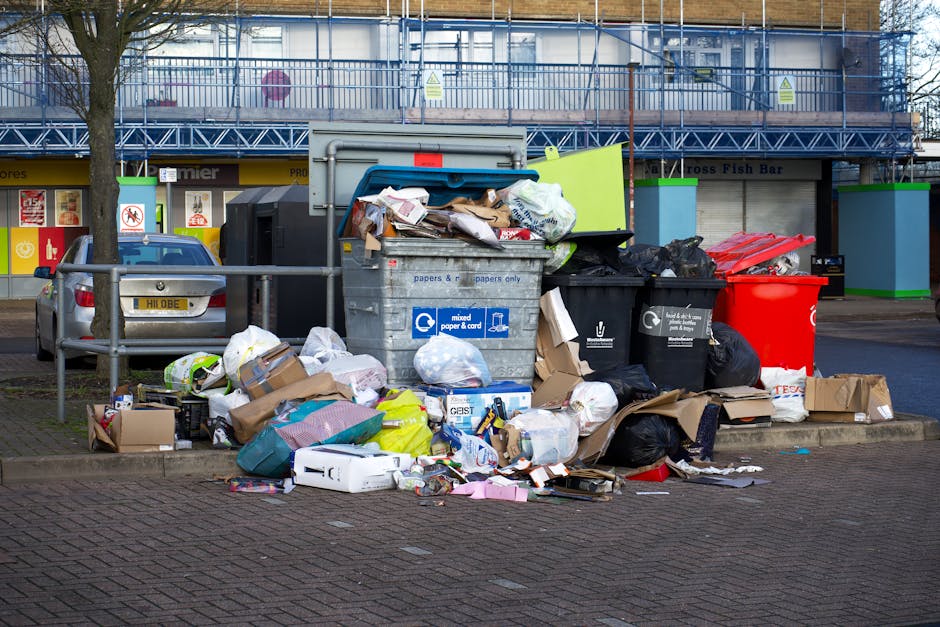
A small trader selling handmade homeware arrived each morning with boxed stock, paper wrap, tissue, price tags, and a handful of display props. At first, waste was handled reactively. Boxes were flattened when someone remembered, packing paper was shoved into a single bag, and broken display items were left in a corner "for later". By Friday, the stall looked tired even when sales were strong.
They changed three things:
- cardboard was broken down as soon as deliveries were unpacked;
- clean packing paper was kept separate from general waste;
- any broken or bulky display items were set aside for scheduled removal rather than left on-site.
After that, pack-down became quicker and the stall looked more polished throughout the day. Customers had more space to browse. Staff stopped moving bags around at the worst possible moment. The trader described the change as "one less thing to fight with", which is a perfectly fair summary.
In another example, a food trader found that mixed waste was causing smell issues by mid-afternoon. The fix was not complicated: more frequent clearing, better bin liners, and a more disciplined separation of food waste from packaging. The stall felt cleaner, and the final hour of service stopped feeling like a desperate sprint. Sometimes the answer really is the boring one.
Practical Checklist
Use this checklist before your next trading day or before you arrange waste collection.
- Do I know what waste my stall creates most often?
- Have I separated recyclable materials from general rubbish?
- Are my bins or sacks strong enough for the load?
- Is there a clear place for waste that does not block customers?
- Do staff know who clears waste and when?
- Are cardboard and bulky packaging flattened early?
- Have I planned for busy days and overflow?
- Do I need a regular collection or a one-off clearance?
- Are any bulky items better handled separately?
- Have I checked that the provider or method fits commercial waste handling expectations?
If you can tick most of those off, you are in a good place. If not, no drama. Waste systems are one of those things you improve in stages, not all at once.
A tidy stall is not perfection. It is consistency, and consistency is what customers notice.
Get a free quote today and see how much you can save.
Conclusion
Greenwich Market rubbish removal for traders is really about control: control of space, control of presentation, and control of time. When waste is managed properly, a stall feels calmer, cleaner, and easier to run. That gives traders more headspace to focus on service, stock, and the people standing in front of them.
The best approach is usually the one that matches your real trading pattern, not an idealised one. Start with what you create, separate what you can, remove waste before it becomes a problem, and choose a collection approach that actually fits the pace of market life. Simple enough, though not always easy on a rainy Saturday with deliveries piling up.
Still, once the system clicks, you notice the difference straight away. Less fuss. Less clutter. More room to trade. And that, truth be told, is a pretty good way to work.

 Tipper Van - Waste Disposal and Junk Clearance Prices in Greenwich, SE10
 Luton Van - Waste Disposal and Junk Clearance Prices in Greenwich, SE10